
LSU Awarded $20 Million NSF Mid-scale Grant to Build LaNeXT, a One-of-a-Kind Ultrafast X-ray Facility
Read the Story
New Publication: Magnetism Meets Electricity
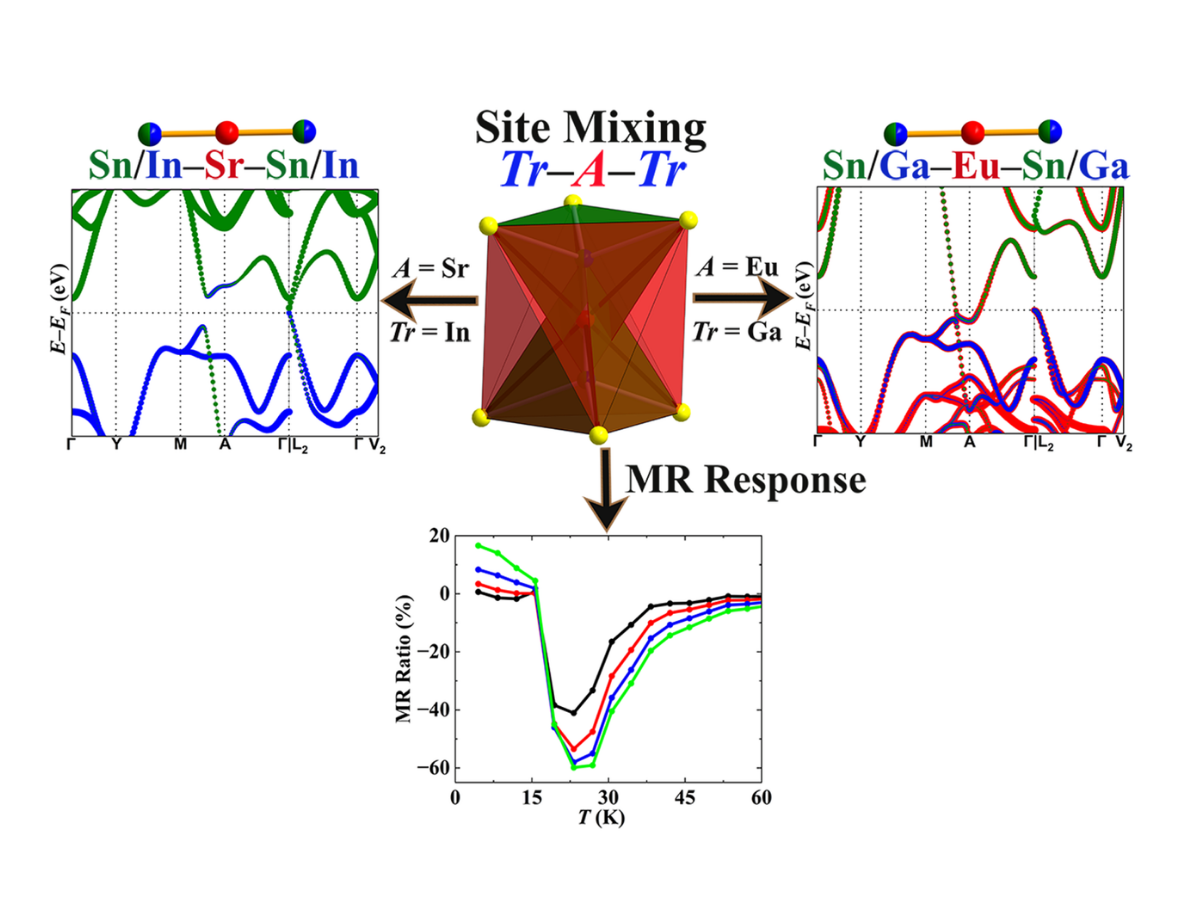
The Baranets Research Group, in collaboration with LSU Physics colleagues, discovered crystalline materials with unusual electrical and magnetic properties, including a compound whose response to magnetic fields changes with temperature. Their paper is featured in the Journal of Materials Chemistry C collection “JMCC Emerging Investigators 2027.”
Alam et al.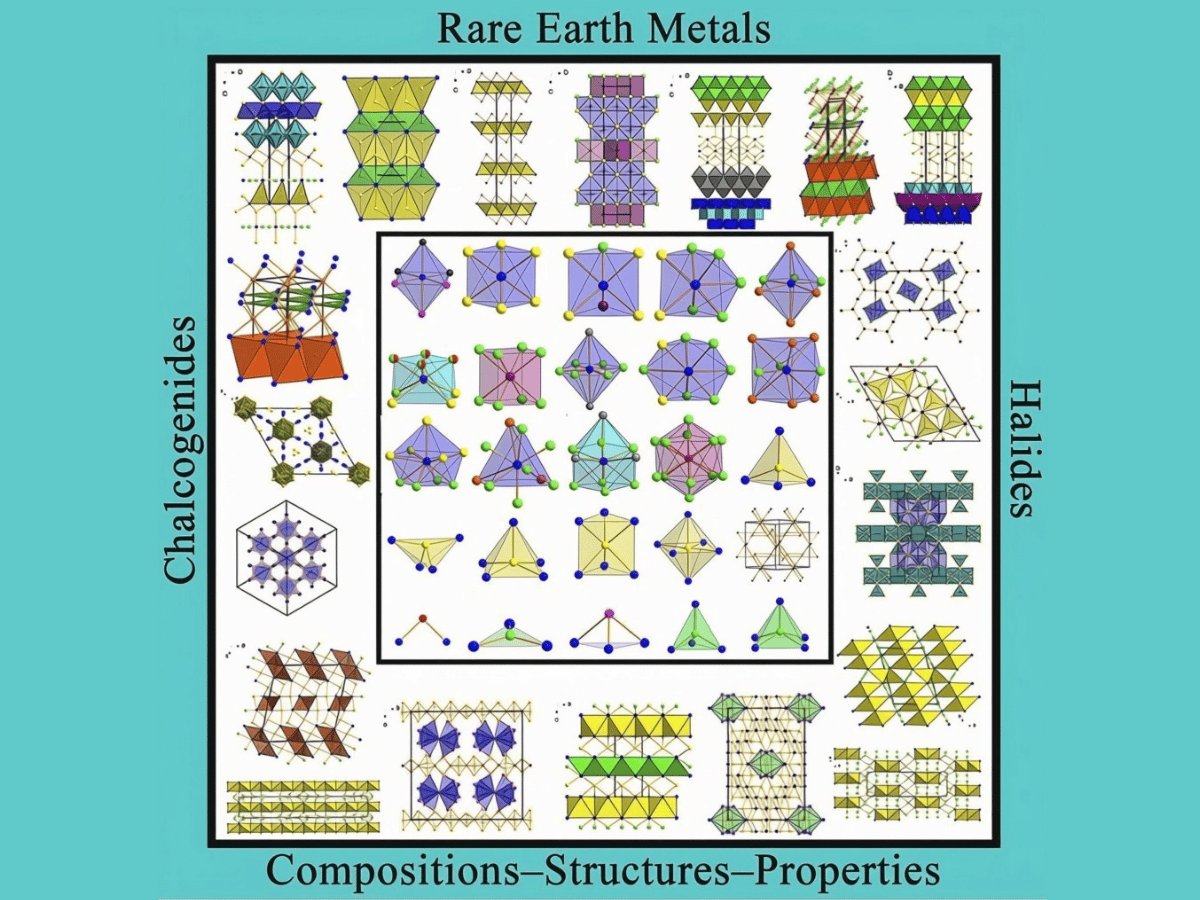
Exploring the Potential of Rare-Earth Materials
Assistant Professor Sviatoslav Baranets and chemistry Ph.D. student Thimira Kandabadage explore rare-earth metal chalcogenide halides in a new chapter of the Handbook on the Physics and Chemistry of Rare Earths. The chapter examines these materials’ diverse crystal structures, potential applications in semiconductor technologies, optics and magnetism, and promising directions for future research.
Kandabadage & Baranets
SEC ALDP Fellow
Associate Professor Zakiya S. Wilson-Kennedy was selected as one of LSU’s representatives in the 2026–27 Southeastern Conference Academic Leadership Development Program (SEC ALDP). The SEC ALDP prepares and advances faculty for leadership roles across the SEC and higher education.
SEC ALDP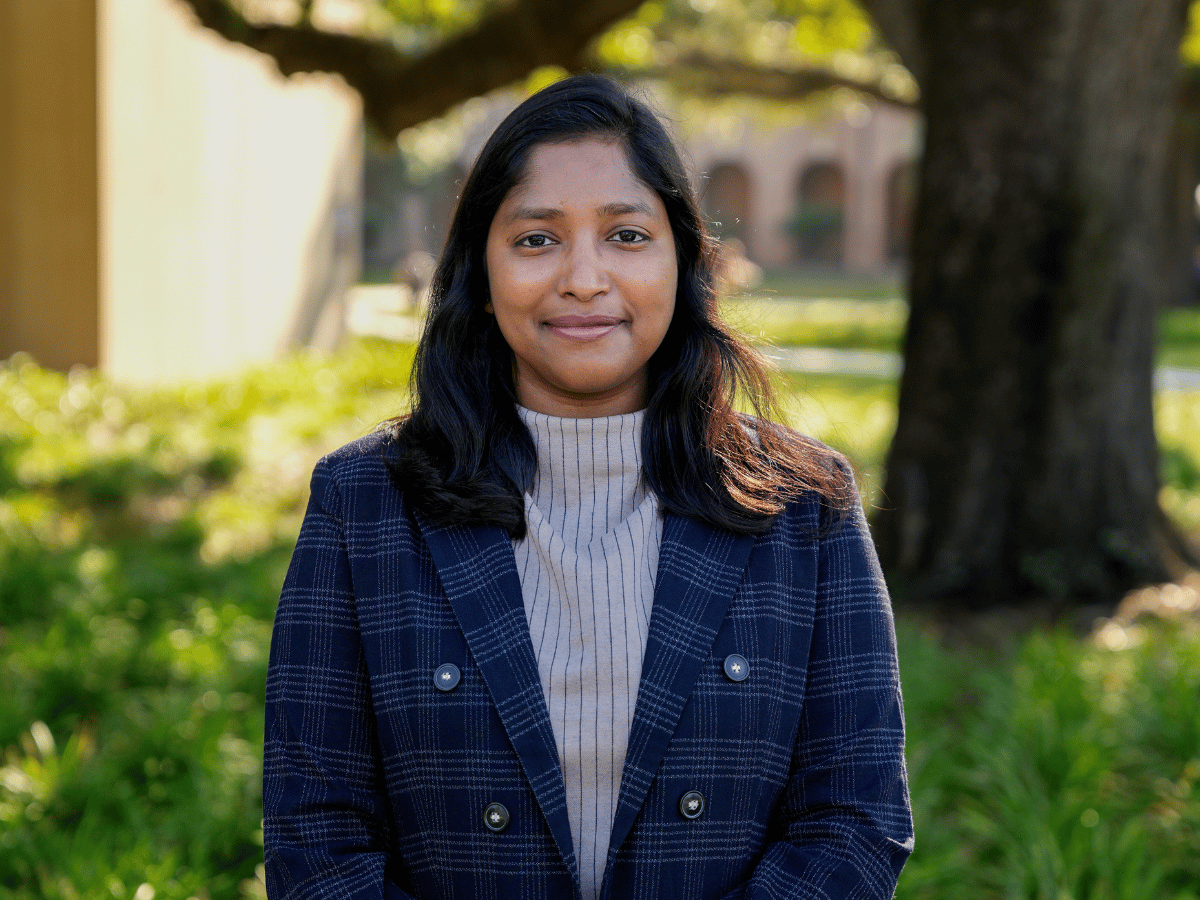
Adah Proctor Sturgis Graduate Scholarship in Chemistry and Biochemistry
Gayomi Samarakoon, a PhD student and member of the Baranets Research Group, received the Adah Proctor Sturgis Graduate Scholarship in Chemistry and Biochemistry. The scholarship recognizes graduate students for their achievements and promise in chemistry and biochemistry. It honors Adah Proctor Sturgis, a trailblazing chemist who worked for the Ethyl Corporation. Her grandson, LSU alumnus Dr. Erich Sturgis, helped establish the scholarship to honor his grandmother and pioneering women in science.
Neil and Arlene Kestner College of Science Superior Graduate Student Scholarship
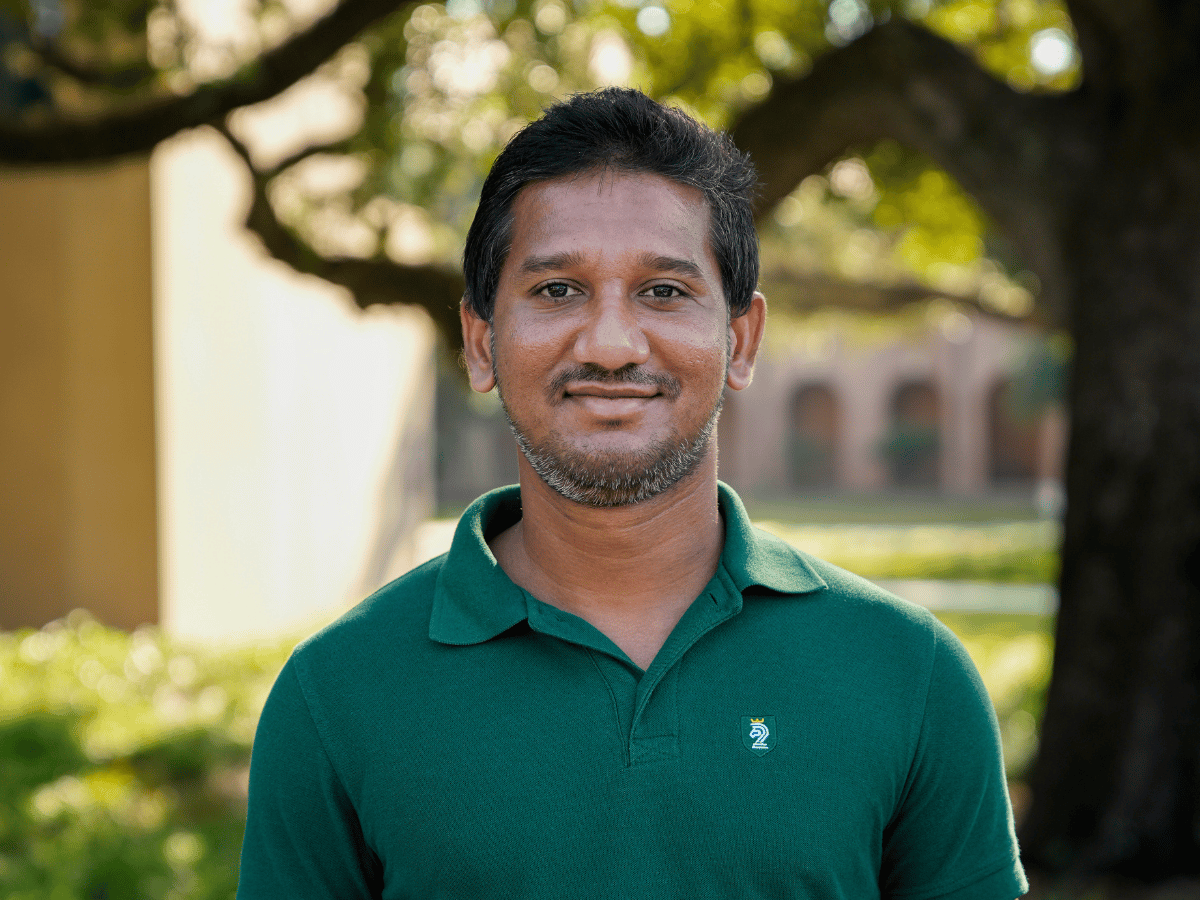
Thimira Kandabadage Don, a chemistry PhD student and member of the Baranets Research Group, received the Neil and Arlene Kestner College of Science Superior Graduate Student Scholarship. The scholarship recognizes graduate students for their achievements and promise in materials science. It honors the late LSU Professor Emeritus Neil Kestner, a pioneer in theoretical physical and computational chemistry.
Neil and Arlene Kestner College of Science Superior Graduate Student Scholarship
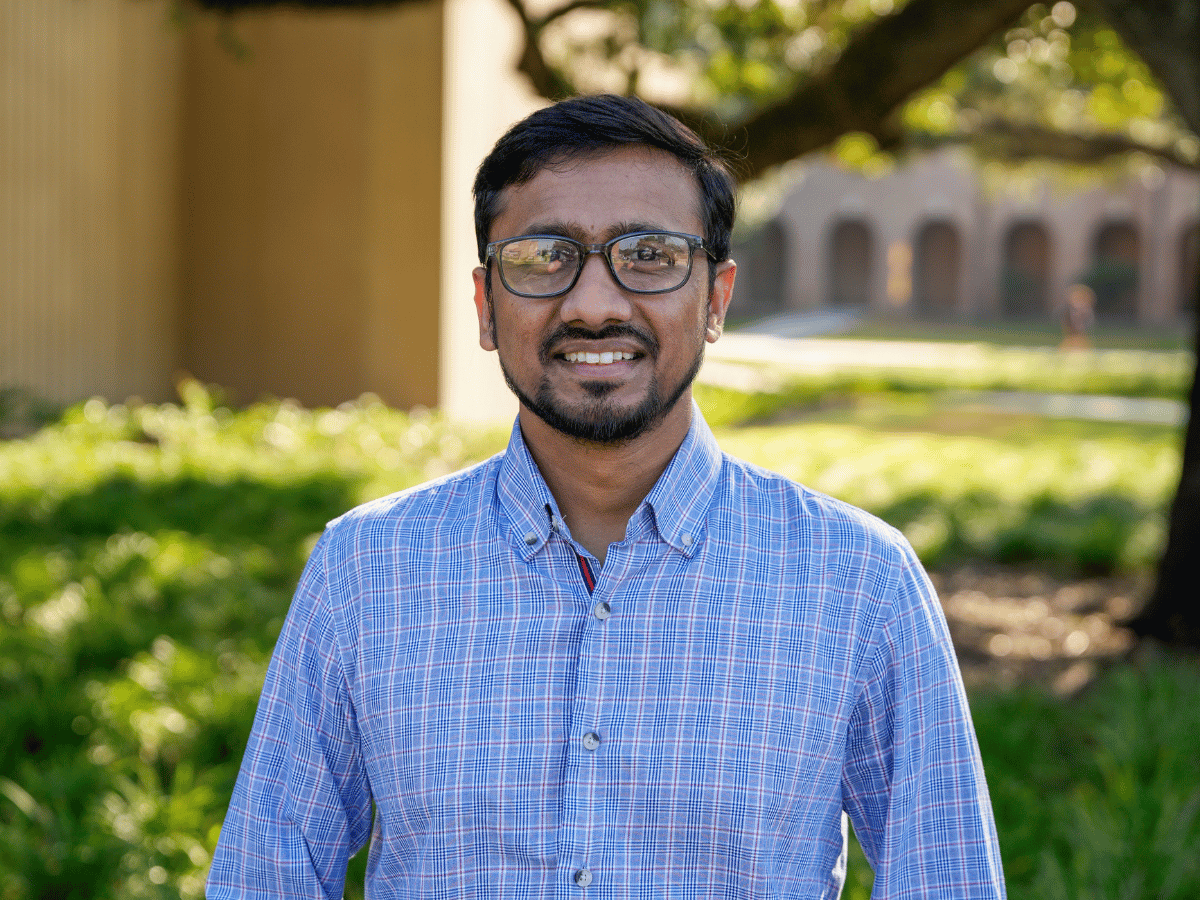
Md. Abdullah Al Mahmud, a chemistry PhD student in the Pojman Research Group, was awarded the Neil and Arlene Kestner College of Science Superior Graduate Student Scholarship. The award celebrates graduate students who demonstrate outstanding achievement and potential in materials science while honoring the legacy of LSU Professor Emeritus Neil Kestner, a pioneer in theoretical physical and computational chemistry.
New Publication: Magnetism Meets Electricity
The Baranets Research Group, in collaboration with LSU Physics colleagues, discovered crystalline materials with unusual electrical and magnetic properties, including a compound whose response to magnetic fields changes with temperature. Their paper is featured in the Journal of Materials Chemistry C collection “JMCC Emerging Investigators 2027.”
Alam et al.Exploring the Potential of Rare-Earth Materials
Assistant Professor Sviatoslav Baranets and chemistry Ph.D. student Thimira Kandabadage explore rare-earth metal chalcogenide halides in a new chapter of the Handbook on the Physics and Chemistry of Rare Earths. The chapter examines these materials’ diverse crystal structures, potential applications in semiconductor technologies, optics and magnetism, and promising directions for future research.
Kandabadage & BaranetsSEC ALDP Fellow
Associate Professor Zakiya S. Wilson-Kennedy was selected as one of LSU’s representatives in the 2026–27 Southeastern Conference Academic Leadership Development Program (SEC ALDP). The SEC ALDP prepares and advances faculty for leadership roles across the SEC and higher education.
SEC ALDPAdah Proctor Sturgis Graduate Scholarship in Chemistry and Biochemistry
Gayomi Samarakoon, a PhD student and member of the Baranets Research Group, received the Adah Proctor Sturgis Graduate Scholarship in Chemistry and Biochemistry. The scholarship recognizes graduate students for their achievements and promise in chemistry and biochemistry. It honors Adah Proctor Sturgis, a trailblazing chemist who worked for the Ethyl Corporation. Her grandson, LSU alumnus Dr. Erich Sturgis, helped establish the scholarship to honor his grandmother and pioneering women in science.
Neil and Arlene Kestner College of Science Superior Graduate Student Scholarship
Thimira Kandabadage Don, a chemistry PhD student and member of the Baranets Research Group, received the Neil and Arlene Kestner College of Science Superior Graduate Student Scholarship. The scholarship recognizes graduate students for their achievements and promise in materials science. It honors the late LSU Professor Emeritus Neil Kestner, a pioneer in theoretical physical and computational chemistry.
Neil and Arlene Kestner College of Science Superior Graduate Student Scholarship
Md. Abdullah Al Mahmud, a chemistry PhD student in the Pojman Research Group, was awarded the Neil and Arlene Kestner College of Science Superior Graduate Student Scholarship. The award celebrates graduate students who demonstrate outstanding achievement and potential in materials science while honoring the legacy of LSU Professor Emeritus Neil Kestner, a pioneer in theoretical physical and computational chemistry.
In the News
Featured Research
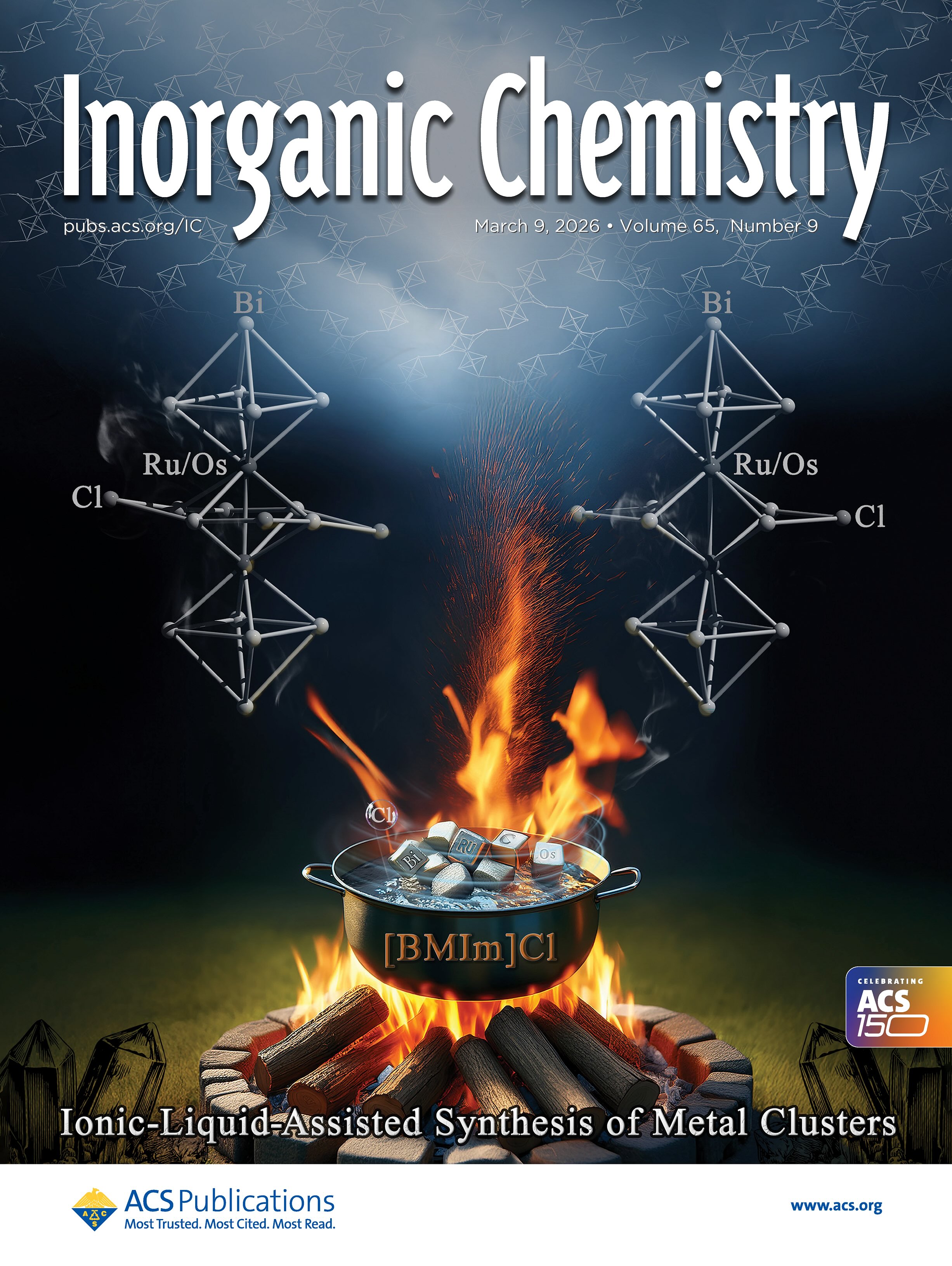
LSU researchers have developed a new method for synthesizing complex inorganic materials at significantly lower temperatures using ionic liquids as a reaction medium. By reducing the need for extreme heat, the approach lowers energy demands while enabling greater precision in how atoms assemble into structured clusters. The study identifies new bismuth-based cluster forms and integrates experimental and computational analysis to better understand and predict their formation. This work establishes a new pathway for designing advanced materials with potential applications in energy, catalysis, and next-generation technologies.
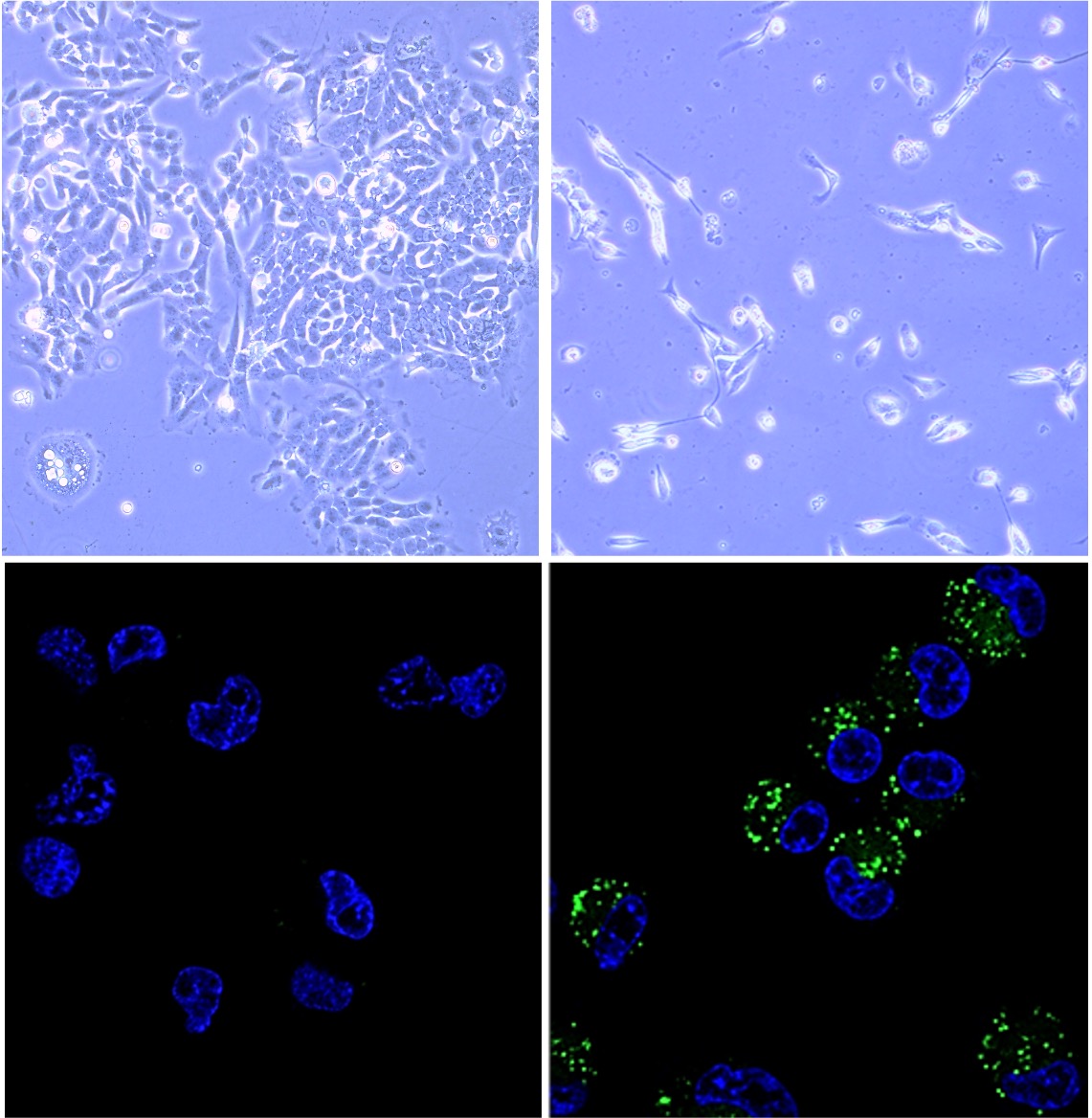
LSU chemist Dr. Fatima Rivas is investigating an oxidized cholesterol molecule that may offer a new strategy for targeting colorectal cancer. Inspired by natural compounds found in mushrooms, the molecule acts like a molecular “Trojan horse,” entering cancer cells through cholesterol pathways and disrupting critical cellular processes. In laboratory studies, the compound slowed tumor cell growth and triggered programmed cell death while showing selectivity for cancer cells over healthy tissue. Supported by pilot funding from the Louisiana Cancer Research Center, the early-stage research aims to uncover how the molecule works and whether it could lead to new therapeutic approaches.
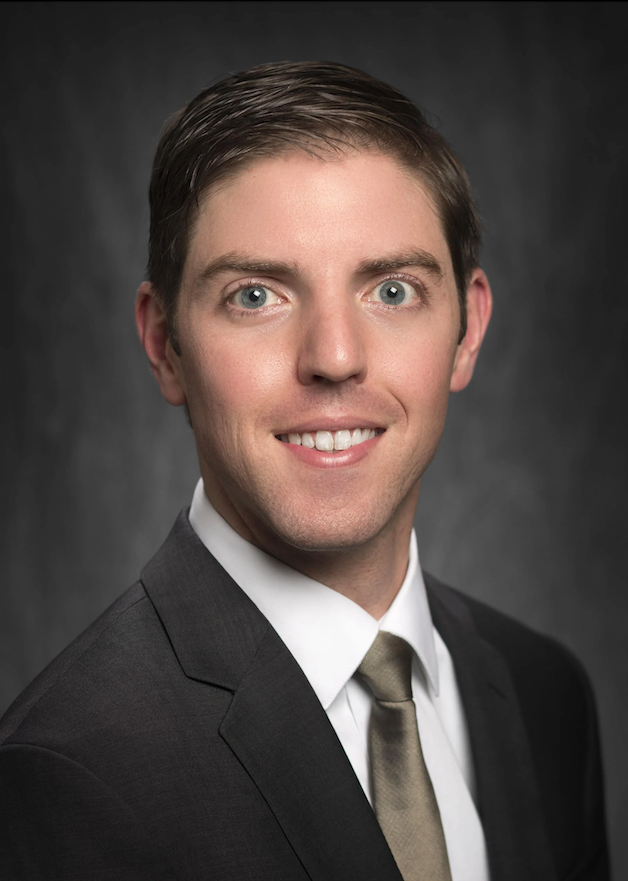
LSU Assistant Professor Matthew Chambers has received a prestigious $875,000 grant from the U.S. Department of Energy to develop energy-efficient chemical processes aimed at reducing carbon emissions in the petrochemical industry. His research focuses on using abundant metals, like cobalt, to produce vital chemicals under milder conditions, decreasing energy consumption. Chambers’ work on improving the hydroformylation process, which is key to manufacturing various consumer goods, could significantly cut the environmental impact of this major industrial reaction. He is one of only 91 early-career scientists nationwide to receive this funding.
Blog Stories
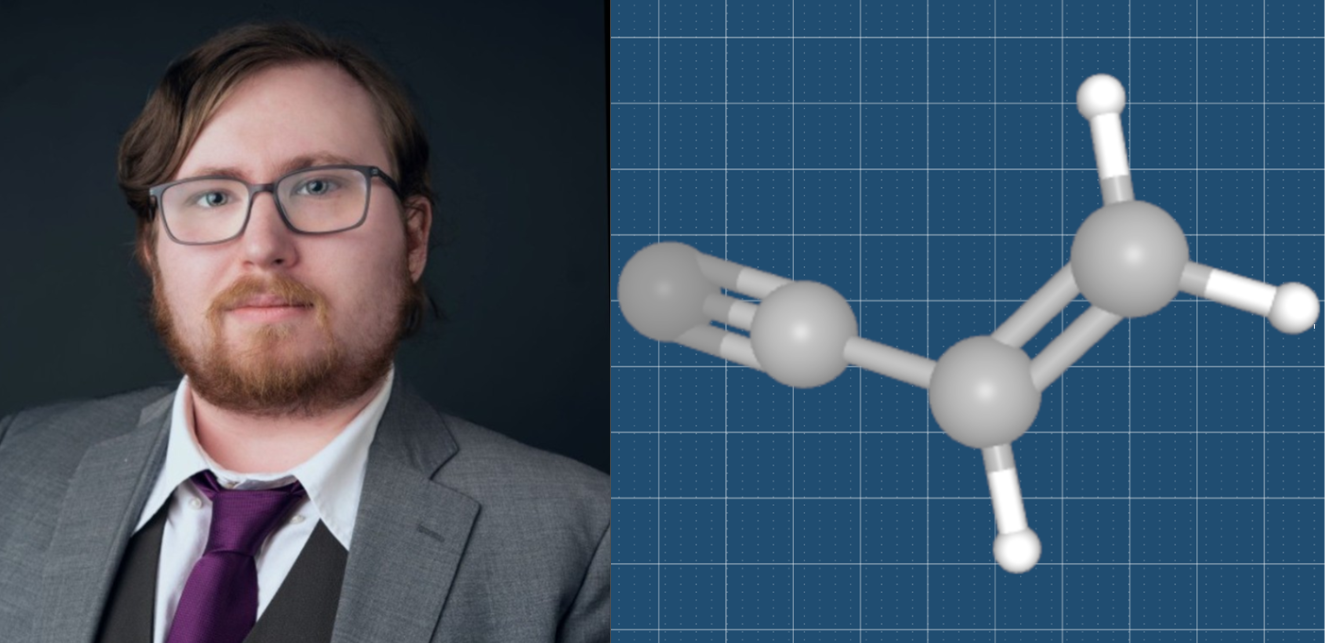
A Baton Rouge startup plans to upend the carbon fiber industry by ending its reliance on oil and natural gas feedstocks Renovigo Chemicals’ proprietary process will use carbon dioxide emissions, water, ammonia, and electricity to make acrylonitrile, a chemical intermediate used in carbon fiber, plastics, and synthetic rubber.
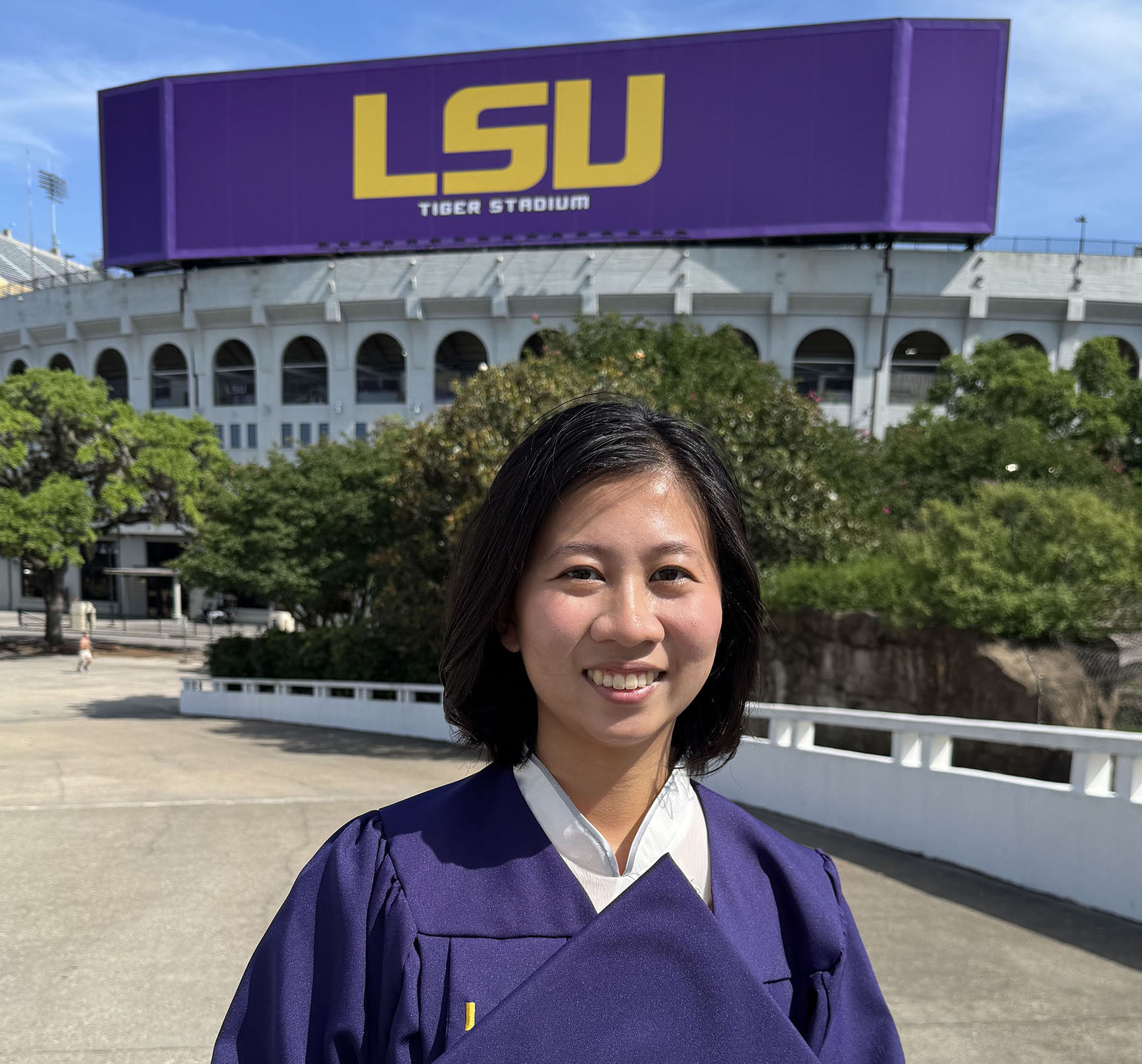
LSU biochemistry senior Emma Tsai graduates this month after earning top university honors for research, mentorship, and leadership. Her work on microplastics and lead exposure helped shape her goal of becoming a physician serving Louisiana communities.
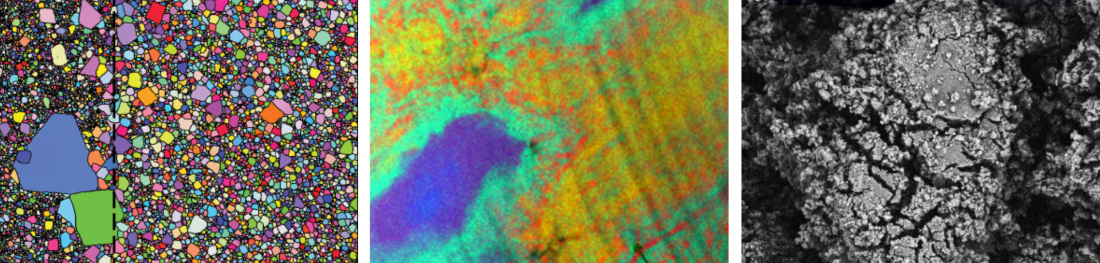
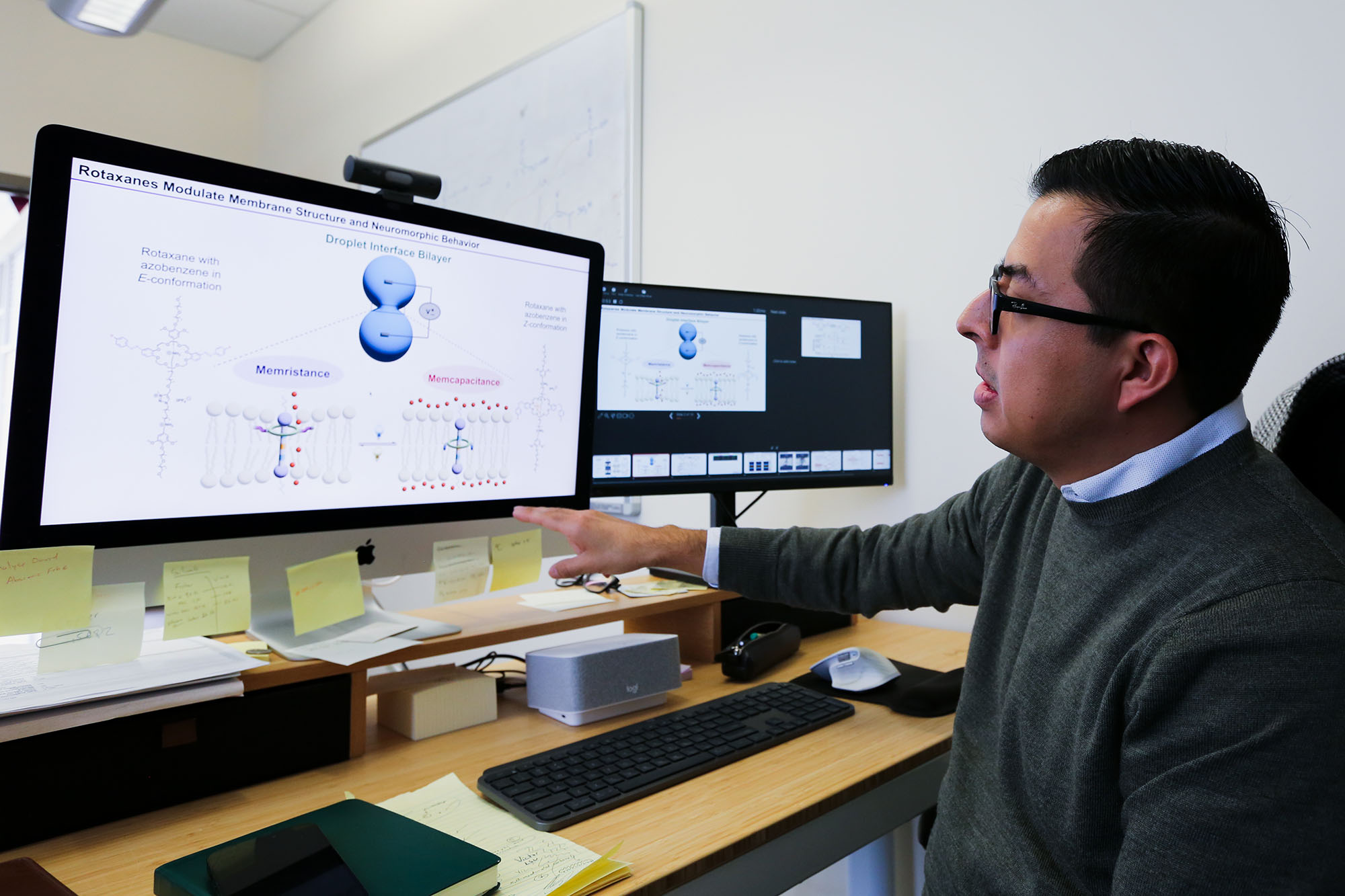
LSU Research Bites: New Light-Controlled Material That Mimics Brain Could Transform Future Computing
LSU researchers helped create a soft, light-controlled material that mimics how the brain processes and stores information in one place. By reducing energy-intensive data movement, this breakthrough could enable faster, more efficient AI and simpler computing systems.
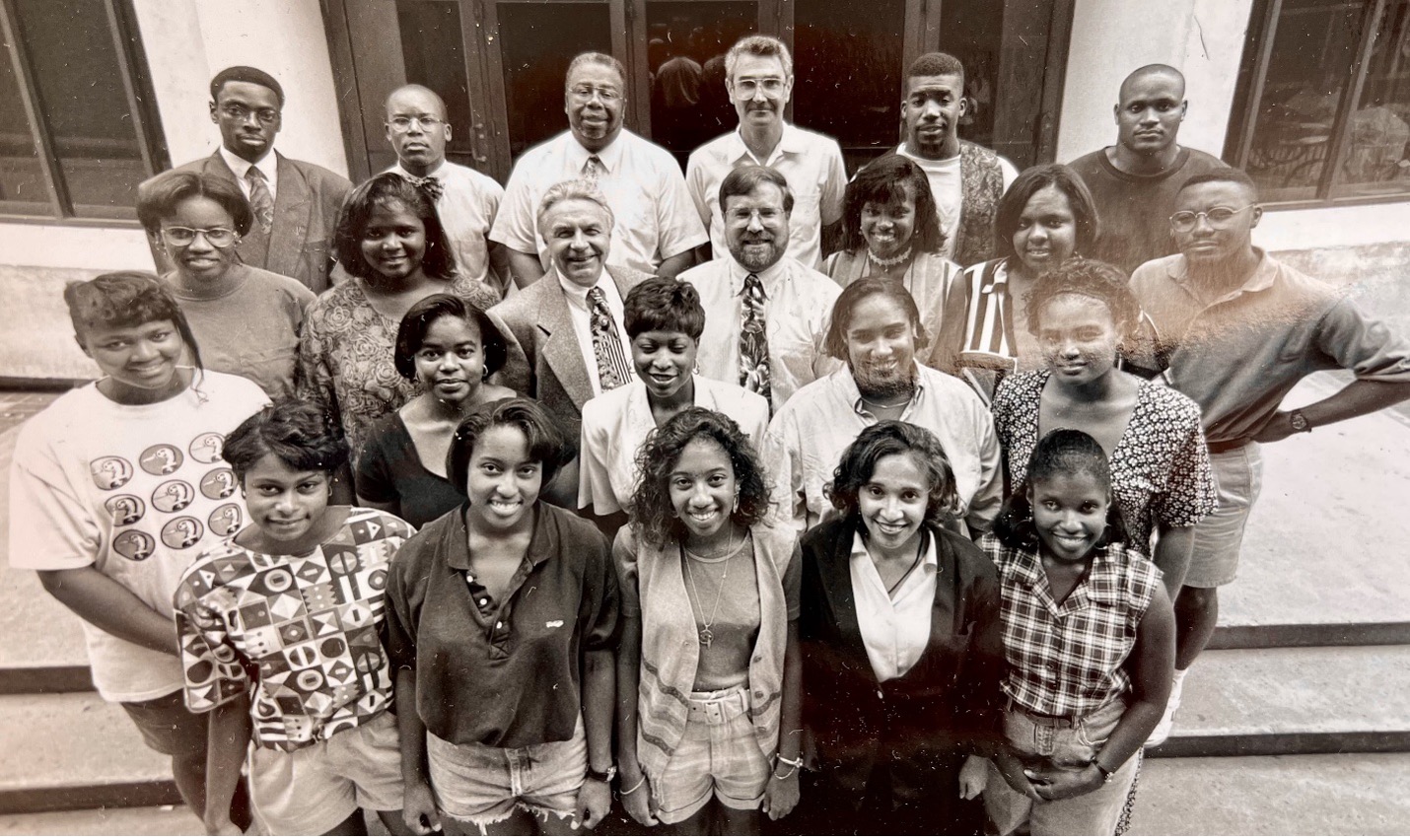
For three decades, LSU’s Chapter of the National Organization for the Professional Advancement of Black Chemists and Chemical Engineers (NOBCChE) has been building something far greater than a résumé line or meeting schedule. It has been building a community.
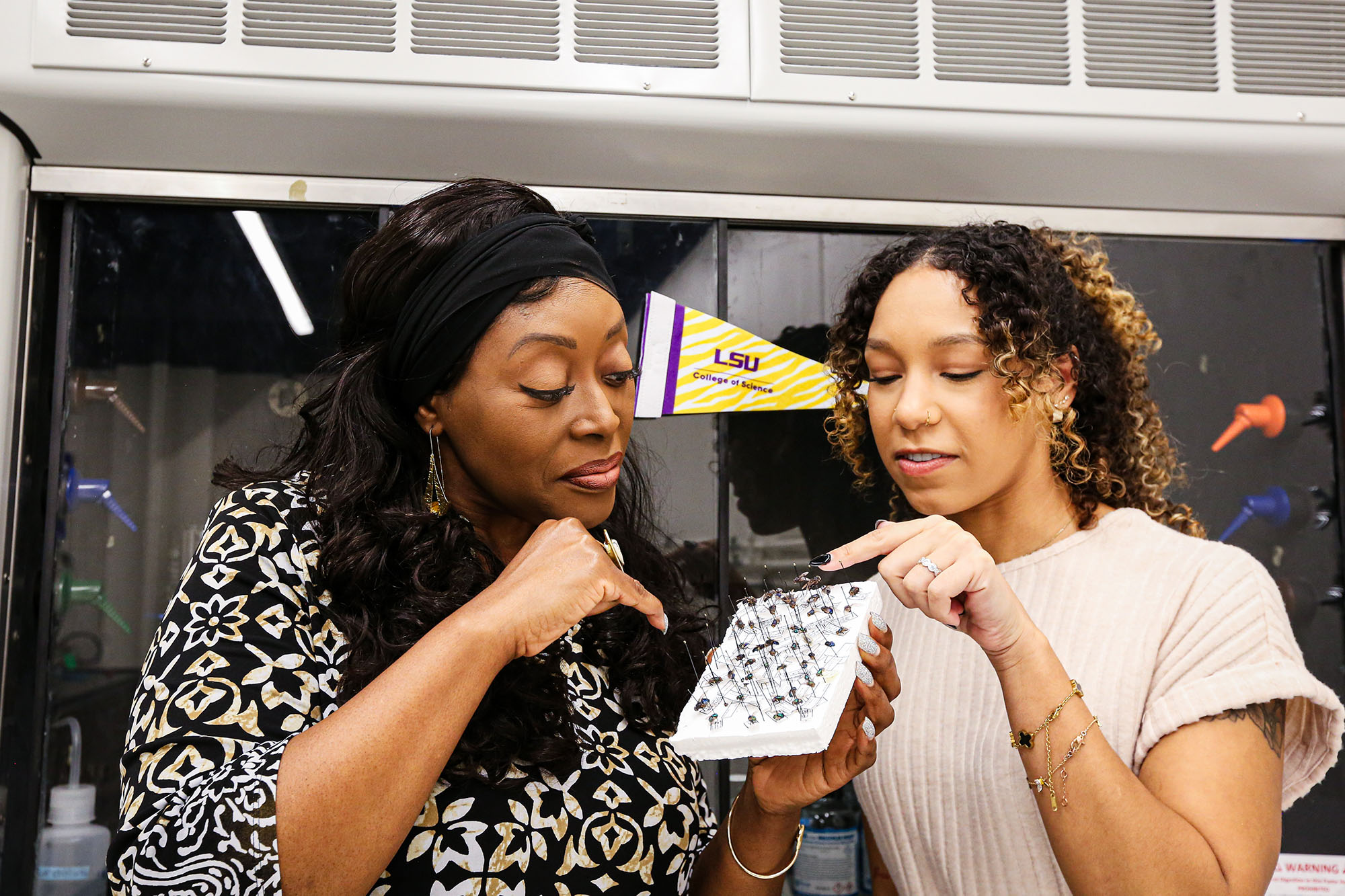
Rabi Musah, an Environmental Chemistry professor at LSU, explores applications of chemical fingerprinting, including the identification of insects that feed on decomposing corpses and carrion. The lab’s move last year from New York to LSU brought many surprises.

